How the two glass types are built differently, what each one protects against, and which one your home actually needs
They Look Similar but They’re Built for Different Jobs
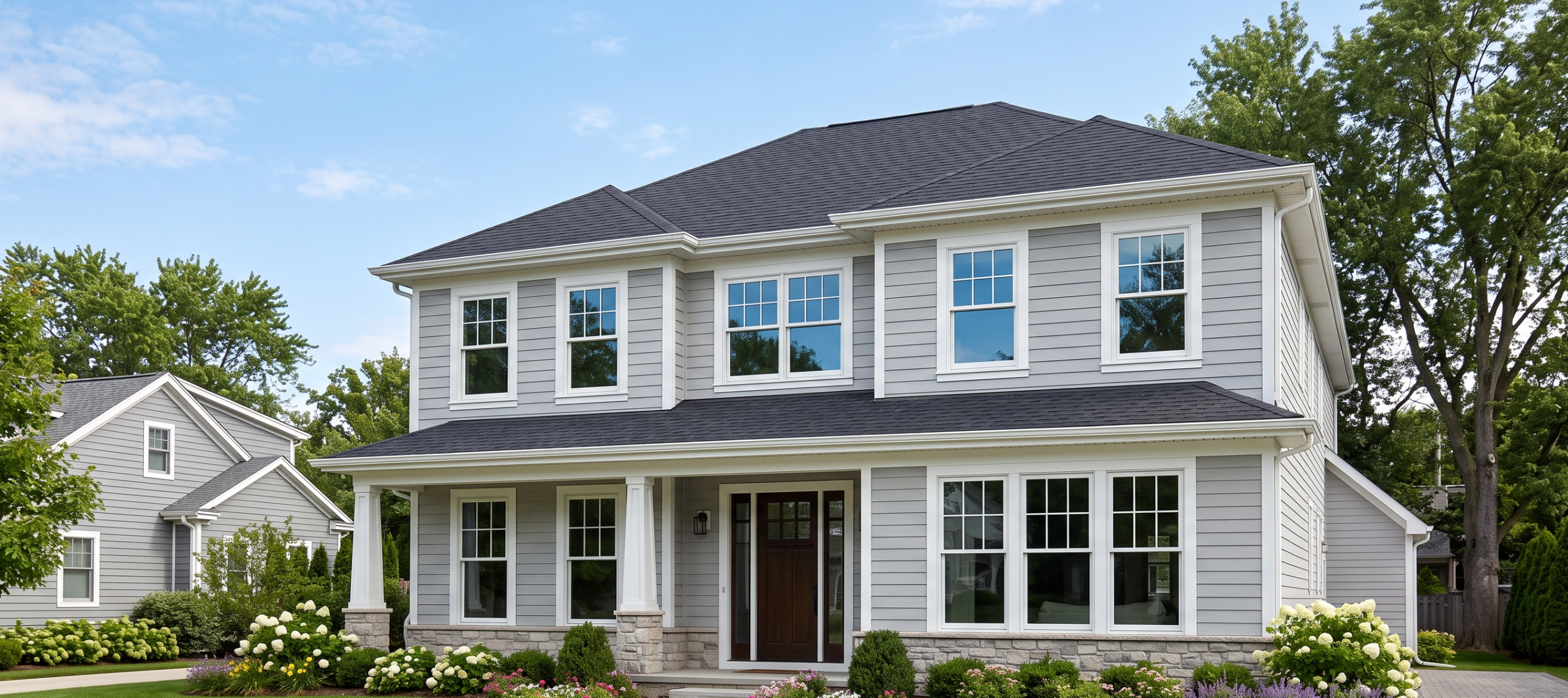
From the outside, a window made with standard glass and one made with impact glass can look nearly identical. The difference is in the construction. Standard glass is designed to insulate your home and let in light. Impact glass is designed to do both of those things while also withstanding the force of flying debris, extreme wind pressure, and attempted break-ins. The added protection comes from how the glass is layered and bonded, and it changes both the performance and the price of the window significantly.
If you live in a hurricane-prone area, a high-crime neighborhood, or simply want the strongest glass available for your replacement windows, understanding what sets impact glass apart from standard glass helps you make a more informed decision.
How Standard Glass Is Made
Standard residential windows use annealed glass, which is the most common type of glass produced. Annealed glass is created by heating raw materials to a molten state, forming the glass into sheets, and then cooling it slowly in a controlled process that reduces internal stress. The result is a clear, smooth pane that works well for insulation and light transmission but is relatively fragile when struck by a solid object.
Most modern replacement windows use two panes of annealed glass separated by a sealed air space filled with argon or krypton gas, known as an insulated glass unit. This double-pane design is effective at reducing heat transfer and outside noise, but neither pane is designed to resist impact. When standard glass breaks, it shatters into large, sharp shards that can cause injury and leave the opening fully exposed to wind, rain, and debris.
How Impact Glass Is Different
Impact glass, also called impact-resistant or laminated glass, is constructed by bonding two or more panes of glass together with a tough interlayer, typically made of polyvinyl butyral or a similar plastic film. This interlayer is the key to the entire design. When the outer pane of impact glass is struck by debris, the glass may crack in a spiderweb pattern, but the interlayer holds the broken pieces in place and keeps the window sealed.
The U.S. Department of Energy’s Building America Solution Center explains that impact-resistant windows may use both tempered and laminated glass installed in heavy-duty frames, allowing the windows to withstand the blunt force of strong winds, windborne debris, and fire. The guide also notes that when standard windows break during a hurricane, wind pressure can enter the home and blow out additional windows, doors, or even the roof from the inside. Impact glass prevents that chain reaction by keeping the opening sealed even after the glass itself is damaged.
What Each Type Protects Against
The practical differences between standard and impact glass become clear when you look at what each type is tested to handle:
- Standard double-pane glass provides thermal insulation, noise reduction, and UV filtering through low-E coatings. It is not rated for impact resistance, wind pressure beyond normal conditions, or forced entry.
- Impact glass provides all of the same thermal and acoustic benefits as standard insulated glass, plus certified resistance to windborne debris, sustained high-wind pressure, forced entry attempts, and in some cases radiant heat from wildfires.
Impact-rated windows are tested by firing a nine-pound two-by-four lumber projectile at the glass at thirty-four miles per hour, followed by thousands of cycles of positive and negative wind pressure. The window must remain intact and sealed throughout the entire test sequence to receive certification. Standard glass is not subjected to any impact testing because it’s not designed to resist those forces.
The Cost Difference
Impact glass windows typically cost forty to sixty percent more than comparable standard windows. For a standard-sized double-hung window, that might mean paying seven hundred to twelve hundred dollars per unit installed for impact glass versus four hundred to eight hundred dollars for standard glass. On a full-house project, the difference can amount to several thousand dollars.
The higher price reflects the laminated glass construction, the heavier-duty frames required to support the added weight, and the more rigorous installation standards. Impact windows are also heavier than standard windows, which can increase labor costs slightly.
However, the cost gap narrows when you factor in the benefits that come with impact glass beyond just storm protection. Many homeowners insurance carriers offer premium discounts of fifteen to forty-five percent for homes with certified impact windows. Over a decade, those annual savings can offset a substantial portion of the upfront cost. According to ENERGY STAR, certified windows can reduce household energy bills significantly, and impact windows that also carry ENERGY STAR certification deliver both storm protection and energy savings in the same product.
Additional Benefits of Impact Glass
Beyond storm protection, impact glass delivers several year-round advantages that standard glass doesn’t match:
- Noise reduction is significantly better because the laminated interlayer dampens sound vibrations more effectively than a standard air gap between panes
- Security is dramatically improved because the laminated construction resists break-in attempts far longer than standard glass, which shatters immediately on impact
- UV protection is enhanced because the interlayer blocks a higher percentage of ultraviolet radiation, reducing fading on furniture, flooring, and artwork
- No storm preparation is required because impact windows are permanently in place and always ready, unlike shutters or panels that need to be installed before every storm
For homeowners in coastal areas who currently use removable storm shutters or panels, switching to impact windows eliminates the scramble before every storm and the storage hassle between seasons. The windows are always protecting the home without any action required.
Where Impact Glass Is Required by Code
In many coastal areas, building codes require impact-rated windows or approved protective coverings for all new construction and major renovations. The requirement applies primarily in what the building code defines as windborne debris regions, which generally include areas along the Atlantic and Gulf coasts where design wind speeds exceed one hundred thirty miles per hour.
Even in areas where impact glass isn’t legally required, it may still make sense depending on your exposure to storms, your insurance costs, and how long you plan to stay in the home. The ENERGY STAR guide to NFRC testing and certification explains that all ENERGY STAR certified windows are independently tested, certified, and verified by the NFRC. Impact windows that also carry ENERGY STAR certification give you verified performance data for both energy efficiency and storm resistance in a single label.
Which One Is Right for Your Home
If you live in a hurricane-prone region, impact glass is worth serious consideration even if code doesn’t require it. The combination of storm protection, insurance savings, noise reduction, and security makes it a strong long-term investment for coastal homeowners.
If you live inland in a region with minimal storm risk, standard double-pane glass with low-E coating and gas fill provides excellent energy performance and comfort at a lower price point. The added cost of impact glass is harder to justify when the primary threat it protects against isn’t a factor in your area.
For homeowners in transitional zones where severe storms are possible but not frequent, the decision comes down to personal priorities and budget. Getting quotes for both options and comparing the upfront difference against projected insurance savings over ten years gives you a clear financial picture to base the decision on.
Want to Know Which Glass Type Is Right for Your Home?
Get a free, no-obligation quote from window professionals who can assess your needs and recommend the best option for your location and budget.
Get Your Free Quote