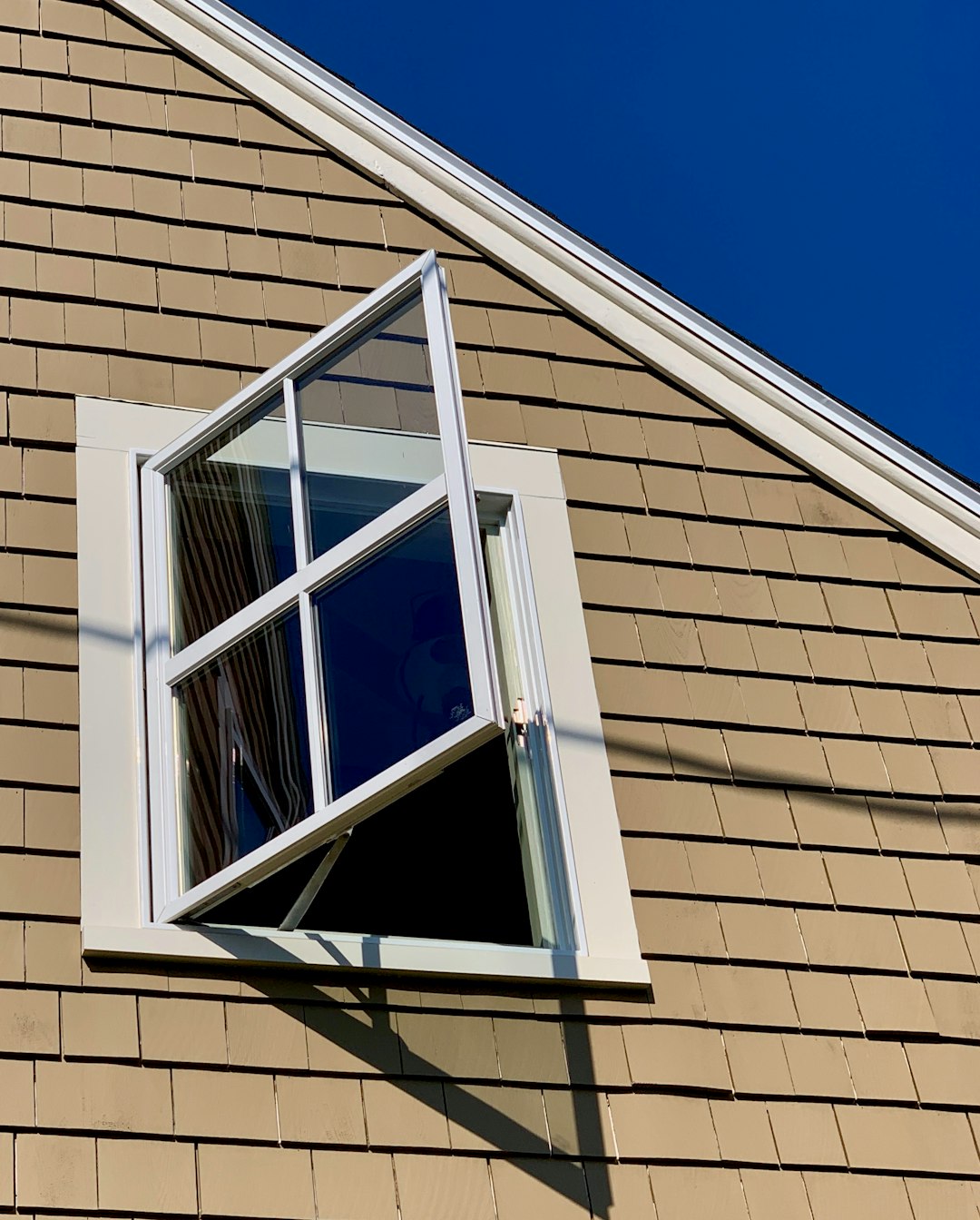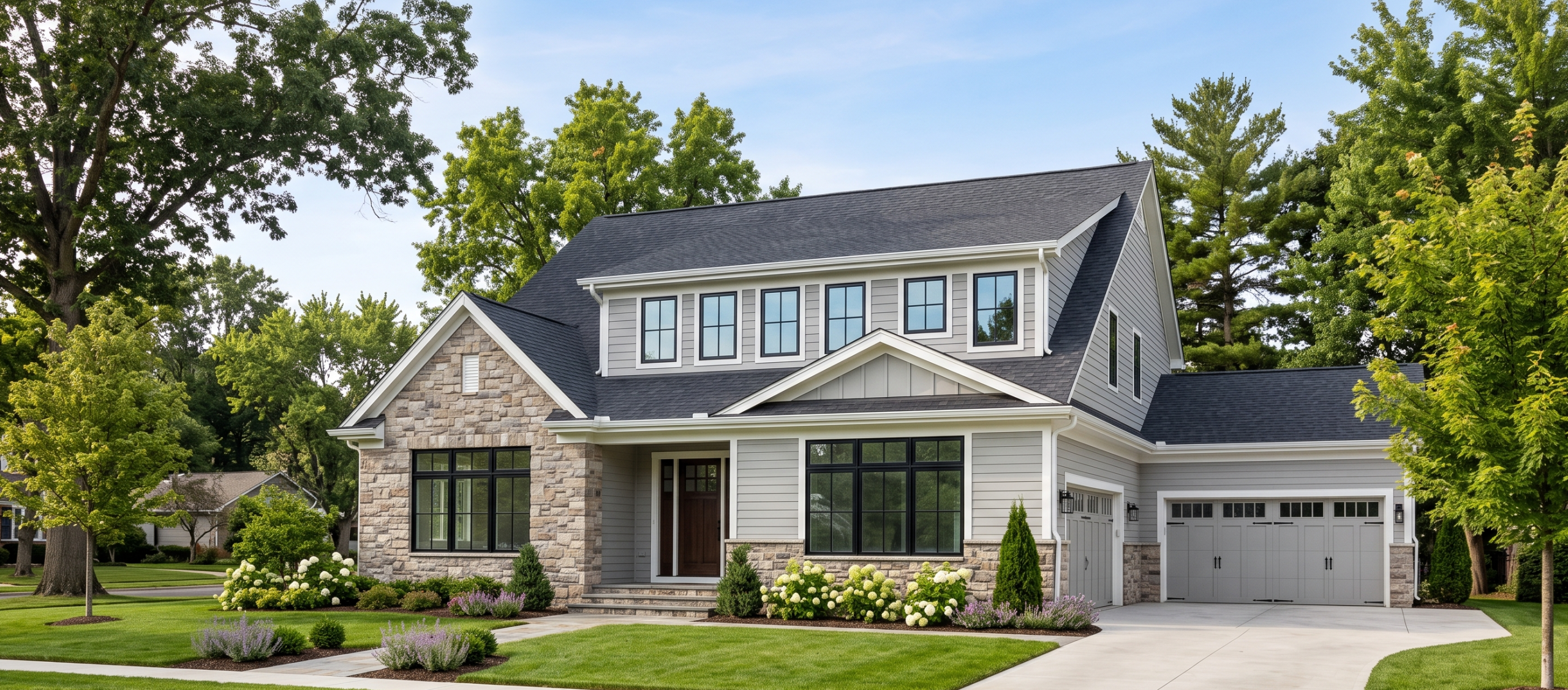
Two approaches to the same upgrade, each suited to different situations and budgets
It Comes Down to What Gets Removed
When a contractor talks about retrofit versus full-frame window replacement, the core difference is simple: a retrofit keeps your existing window frame in place and installs a new window unit inside it, while a full-frame replacement tears out everything down to the rough opening in the wall and installs a completely new window system from scratch. Both methods give you new glass, new hardware, and better energy performance, but they differ significantly in cost, installation time, and how much of your home’s structure gets disturbed in the process.
Understanding the distinction helps you ask better questions when you’re getting quotes, and it prevents the common problem of paying for more work than you actually need or settling for less than your situation calls for.
How Retrofit Replacement Works
Retrofit replacement, also called insert or pocket replacement, is the less invasive of the two options. The installer removes the old sashes, glass, and operating hardware but leaves the existing window frame, exterior trim, and interior casing in place. A new window unit is then custom-built to fit inside the existing frame opening, secured, insulated around the edges, and sealed.
Because the original frame stays put, there’s no need to disturb the surrounding siding, drywall, or interior trim. That means less mess, less labor, and a faster installation. A single retrofit window can typically be installed in thirty to forty-five minutes, and a full-house project can often be completed in a single day.
The key requirement for a successful retrofit is that your existing frames need to be structurally sound. If the wood is solid, the frame is square, and there’s no evidence of rot or water damage, a retrofit delivers excellent results at a lower cost. If the frames are compromised, however, installing new glass inside a failing frame is like putting new tires on a car with a broken axle. The underlying problem doesn’t go away.
How Full-Frame Replacement Works
Full-frame replacement is a more comprehensive process. The installer removes everything: the sashes, the glass, the frame, the exterior casing, and sometimes the interior trim. What’s left is the rough opening in the wall, which exposes the framing lumber and allows the installer to inspect the surrounding structure for hidden issues like moisture damage, insulation gaps, or improper flashing.
A brand-new window frame is then set into the opening, shimmed, leveled, insulated, and sealed. New interior and exterior trim is installed to finish the job. This approach takes longer per window, typically sixty to ninety minutes each, and a whole-house project may require two days or more depending on the number of windows and the complexity of the trim work.
The advantage is that everything is new. There’s no old frame to worry about, no hidden rot that might show up later, and no compromise on insulation or weathersealing. Full-frame replacement also gives you the option to change the size or style of your windows if you want to, something a retrofit can’t do because it has to work within the dimensions of the existing frame.
Comparing Cost
Retrofit replacement is typically fifteen to twenty percent less expensive than full-frame replacement for the same window. The savings come from less labor, fewer materials, and no need to replace exterior or interior trim. For homeowners replacing ten or more windows, that cost difference can add up to a meaningful amount.
Full-frame replacement costs more upfront because of the additional demolition, framing inspection, new trim, and finishing work involved. However, it can be the more cost-effective option in the long run if your existing frames are nearing the end of their useful life. Paying for a retrofit now and then having to do a full-frame replacement in five or ten years when the old frames fail is more expensive than doing the full-frame job once.
Energy Performance
Both retrofit and full-frame replacement can significantly improve your home’s energy efficiency, but the degree of improvement depends on the condition of the surrounding structure. The U.S. Department of Energy notes that heat gain and heat loss through windows account for twenty-five to thirty percent of residential heating and cooling energy use, making window selection an important factor in overall home performance.
A retrofit installation with a high-quality window unit and proper insulation around the insert can deliver substantial energy savings, especially if you’re upgrading from old single-pane or failing double-pane glass. But a full-frame replacement has an edge because it allows the installer to address insulation and air sealing around the entire rough opening, not just the window unit itself. If your existing frames have gaps, settled insulation, or deteriorated weatherstripping, a full-frame job eliminates all of those issues at once.
The Department of Energy’s guide to window types and technologies explains that frame material also plays a role in thermal performance. Vinyl, wood, fiberglass, and composite frames provide greater thermal resistance than metal, and a full-frame replacement gives you the opportunity to upgrade to a better-performing frame material if your current frames are aluminum or steel.
When Retrofit Is the Right Choice
Retrofit replacement makes the most sense when your existing frames are in good condition and you want an efficient, cost-effective upgrade without a major construction project. It’s typically the better option when:
- Your window frames are structurally sound with no signs of rot, warping, or water damage
- You’re satisfied with the current size and style of your windows
- You want to minimize disruption to your interior and exterior finishes
- Budget is a primary consideration and you’re looking for the best value per window
Retrofit is also a strong choice for homeowners who plan to replace windows in phases rather than all at once, since the simpler installation makes it easier to spread the project across multiple visits without major inconvenience.
When Full-Frame Is the Better Investment
Full-frame replacement is the right call when the existing frames are part of the problem or when you want to make changes that a retrofit can’t accommodate. Choose full-frame when:
- Your existing frames show signs of rot, moisture damage, or structural failure
- You want to change the size, shape, or operating style of one or more windows
- Your home is older and you suspect there may be insulation or flashing issues hidden behind the current trim
- You’re doing a broader renovation and the windows are part of a larger scope of work
Homes built before the 1980s are especially good candidates for full-frame replacement because the original windows and surrounding construction often lack the insulation and air sealing that modern building codes require. Replacing the entire assembly brings the opening up to current standards.
How to Decide
The best way to determine which approach is right for your home is to have a qualified installer inspect your existing windows and frames. According to ENERGY STAR, when shopping for replacement windows, homeowners should look for the ENERGY STAR label and review NFRC ratings to compare energy performance across products. But the installation method matters just as much as the product itself. A high-performance window installed incorrectly or into a failing frame won’t deliver the efficiency gains you’re paying for.
Ask your contractor to show you the condition of at least one or two frames before committing to a method for the whole house. A reputable installer will be transparent about what they find and will recommend full-frame replacement only where it’s genuinely needed rather than defaulting to the more expensive option across the board.
Not Sure Which Type of Window Replacement You Need?
Get a free quote to find out whether retrofit or full-frame replacement is the right fit for your home and your budget.
Get Your Free Quote