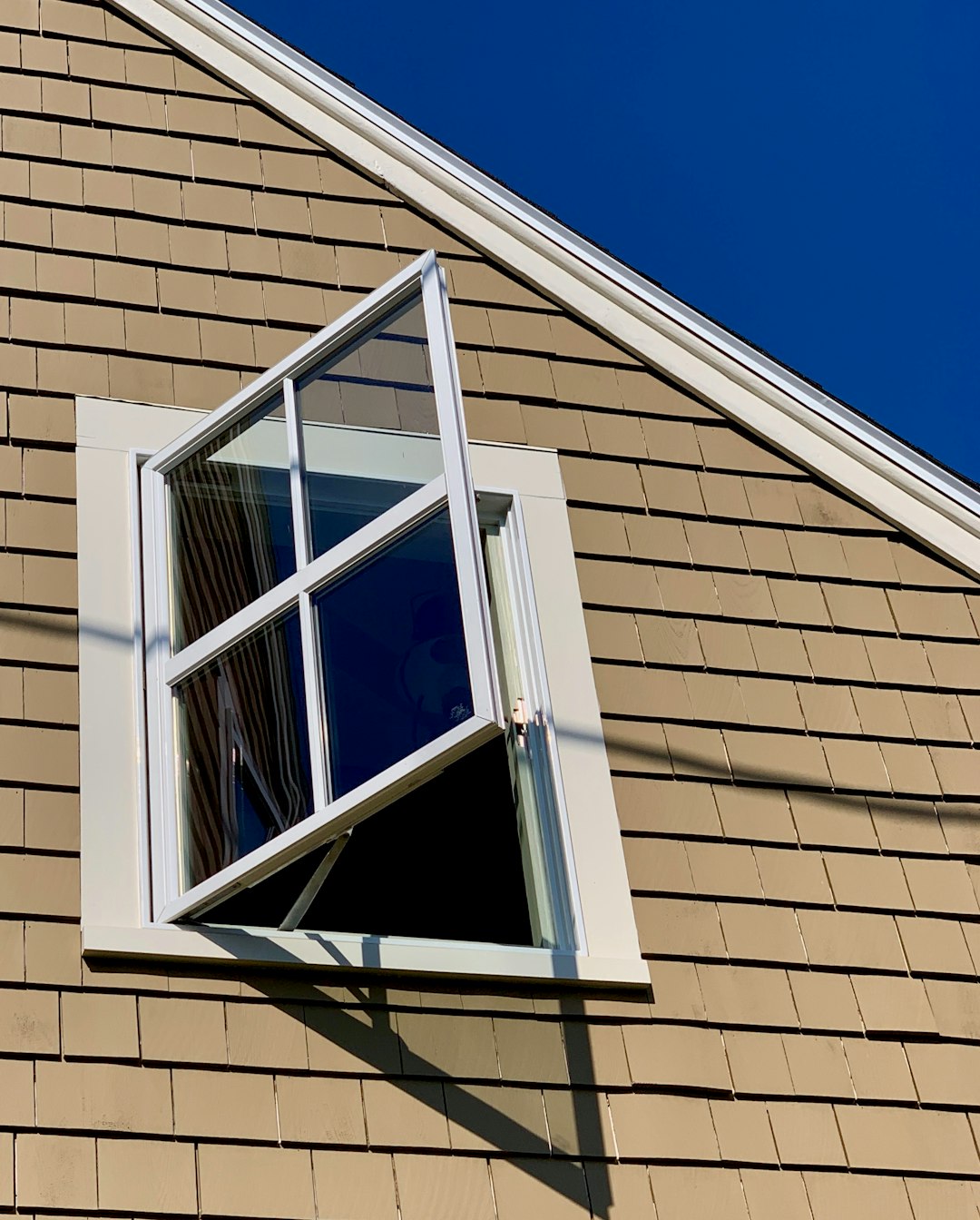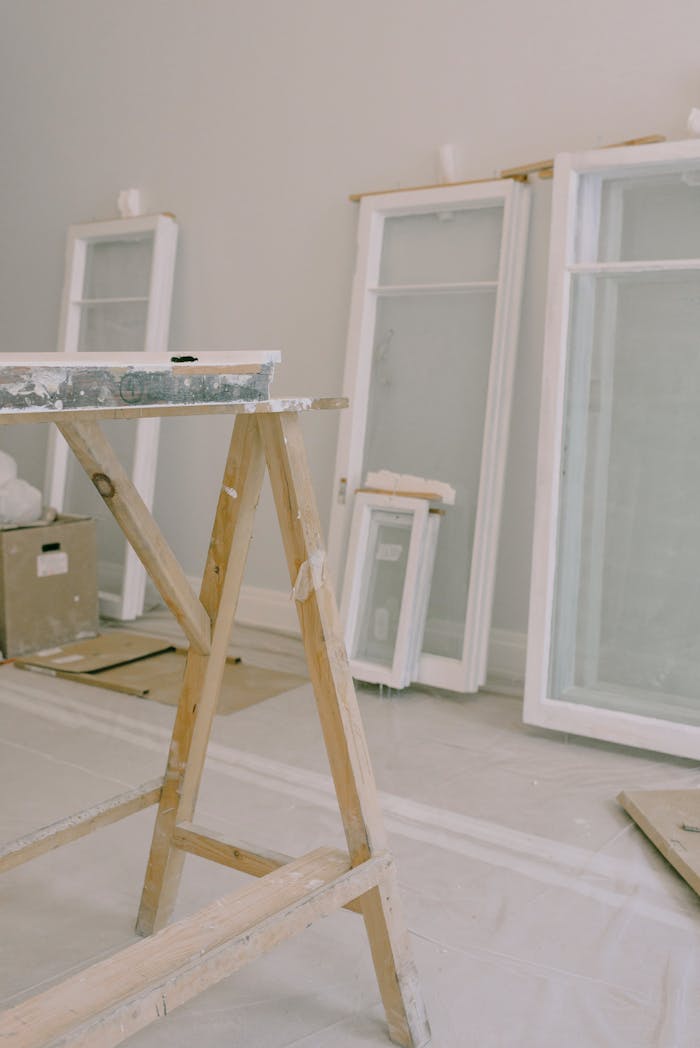
A clear breakdown of the lowest-cost options, where homeowners save, and where cheap can backfire.
When a window cracks, leaks, or refuses to open, most homeowners ask the same question: what is the cheapest way to replace a window?
Window replacement has a reputation for being expensive, and it’s easy to worry about overpaying for something that feels simple.
The good news is that there are affordable ways to replace a window. The key is knowing which options reduce cost without creating new problems later.
The Short Answer: The Cheapest Practical Option
In most cases, the cheapest safe way to replace a window is:
- A standard-size vinyl window
- Installed as an insert (also called a pocket replacement)
- Without changing the existing frame or wall opening
This approach minimizes labor, materials, and installation time.
Why Insert (Pocket) Replacement Costs Less
Insert replacement means the new window fits inside the existing frame. As long as the frame is solid and square, installers can avoid demolition, siding removal, and structural work.
That reduction in labor is where most of the savings come from. Cost breakdowns from Forbes Home show that full-frame replacements cost significantly more because they require additional materials and repair work: Forbes Home – Window Replacement Cost .
Why Vinyl Is Almost Always the Cheapest Window Material
If cost is your top concern, vinyl windows are usually the most affordable option. They’re mass-produced, lightweight, and easy to install.
Pricing data compiled by Fixr shows vinyl windows consistently falling at the low end of replacement cost ranges, especially for standard sizes and simple styles: Fixr – Window Replacement Cost .
Materials like wood, fiberglass, or composite may offer aesthetic or durability advantages, but they almost always cost more upfront.
Is DIY Window Replacement the Cheapest Option?
DIY installation can look like the cheapest route on paper, since it removes labor costs entirely.
However, DIY only makes sense when:
- The window is standard size
- The existing frame is in good condition
- You have prior installation experience
Improper sealing or flashing can lead to drafts, leaks, and long-term damage that quickly erase any upfront savings.
Where “Cheap” Can Become Expensive
The lowest upfront price isn’t always the lowest total cost. Poorly insulated windows or rushed installations can increase energy bills and shorten the lifespan of the window.
ENERGY STAR notes that inefficient windows can increase heating and cooling use, while properly selected and installed energy-efficient models help reduce unwanted heat transfer and improve overall performance: ENERGY STAR – Residential Windows, Doors, & Skylights .
Spending slightly more on proper installation and performance-rated products often saves money over time through improved efficiency and durability.
A Simple Cost Comparison
- DIY vinyl insert: lowest upfront cost, highest risk
- Contractor-installed vinyl insert: moderate cost, predictable results
- Full-frame replacement: highest cost, most flexibility
For most homeowners focused on affordability, the middle option offers the best balance.
How to Keep Window Replacement Costs Low
- Stick to standard window sizes
- Choose vinyl over premium materials
- Avoid unnecessary style upgrades
- Replace multiple windows at once
- Address issues before frames rot
So, What Is the Cheapest Way to Replace a Window?
For most homeowners, the cheapest reliable option is a contractor-installed vinyl insert window.
It minimizes labor, avoids structural work, and delivers dependable performance without cutting dangerous corners.
Want a Clear Price for Your Specific Window?
The fastest way to avoid overpaying is a simple evaluation. You’ll learn whether your window qualifies for an insert replacement, what the real cost would be, and where savings actually make sense.
No pressure. Just clarity.
Request a Window Replacement Quote